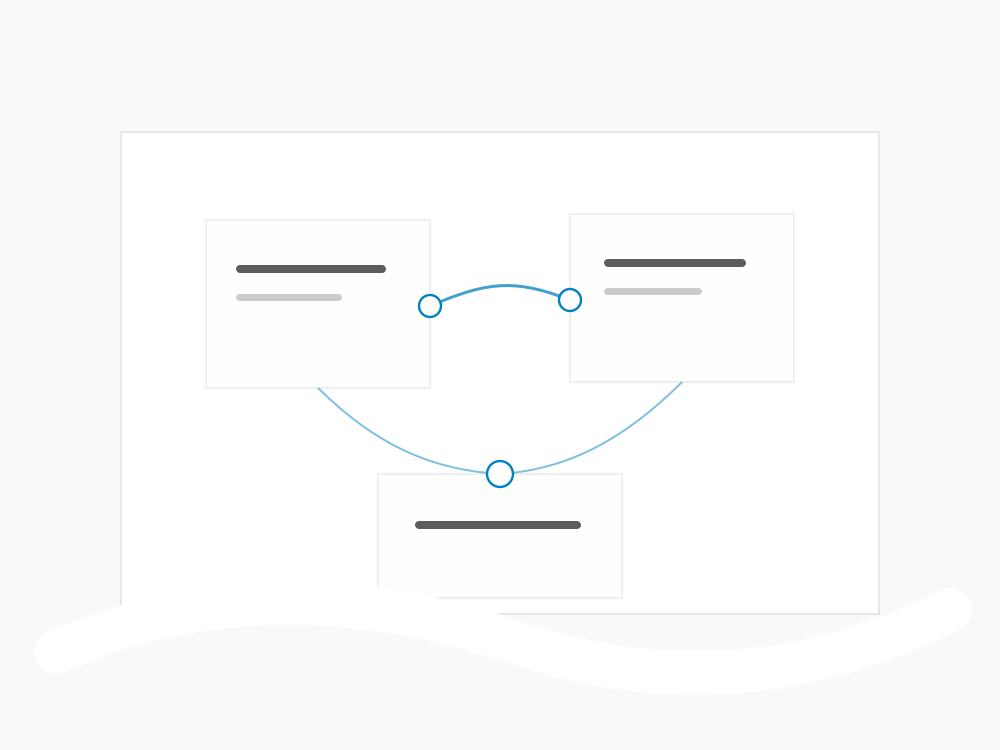
The fastest way to make an automated system feel unsafe is to make it opaque. If a person cannot tell what the system did, what it skipped, and what it needs next, they are forced into a strange kind of supervision: either blind trust or total rework. Neither one scales.
Inspectable systems create a middle path. They expose enough of the work that a thoughtful person can redirect it without opening the machinery. The status is clear. The source material is close. The decisions are named. The errors are recoverable.
Name the handoffs
Most confusion lives in unnamed handoffs. A task moves from research to draft, from draft to review, from review to delivery, but the system treats each step as if it emerged from nowhere. Naming those transitions gives the team a map. It also gives the system places to ask for help.
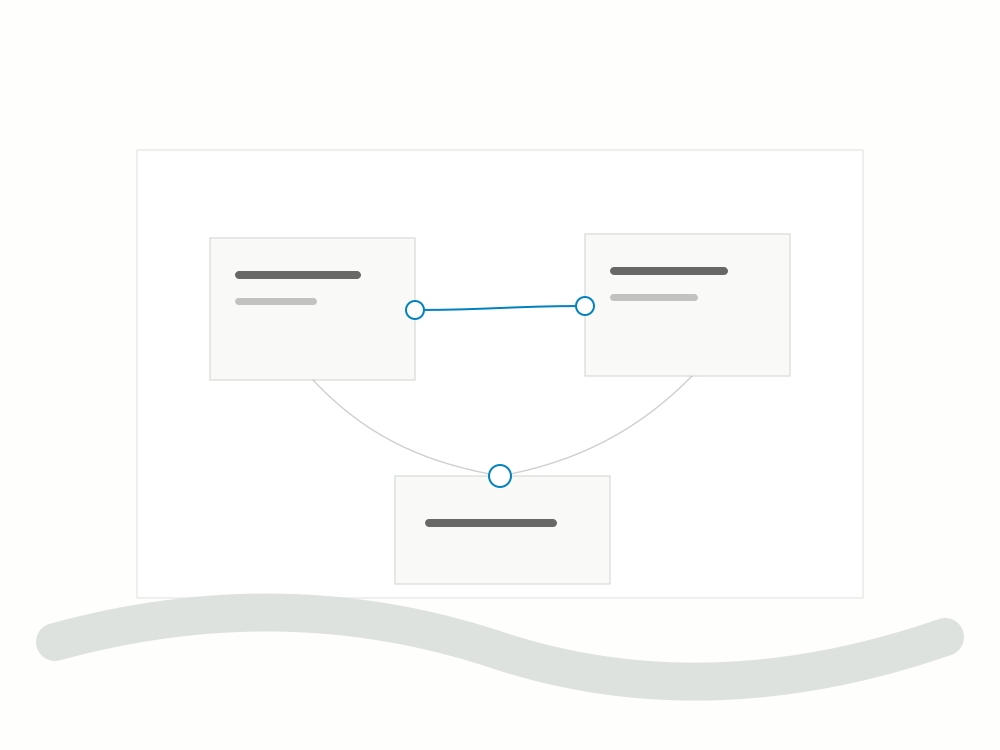
The best inspection surfaces are not giant audit logs. They are small windows at the right points in the flow. A reviewer should be able to answer a few simple questions quickly: What changed? What evidence was used? What is uncertain? What happens if I approve this?
Design for graceful interruption
A system that cannot be interrupted is not mature. Human review should not feel like breaking the workflow. It should feel like part of the workflow. Pause, edit, approve, reject, rerun, and escalate are not edge cases. They are the shape of responsible automation.
When those controls are present, people stop treating the system like a black box. They treat it like a colleague with a clear role, a visible process, and boundaries that can be taught over time.